
 Shelving Tomorrow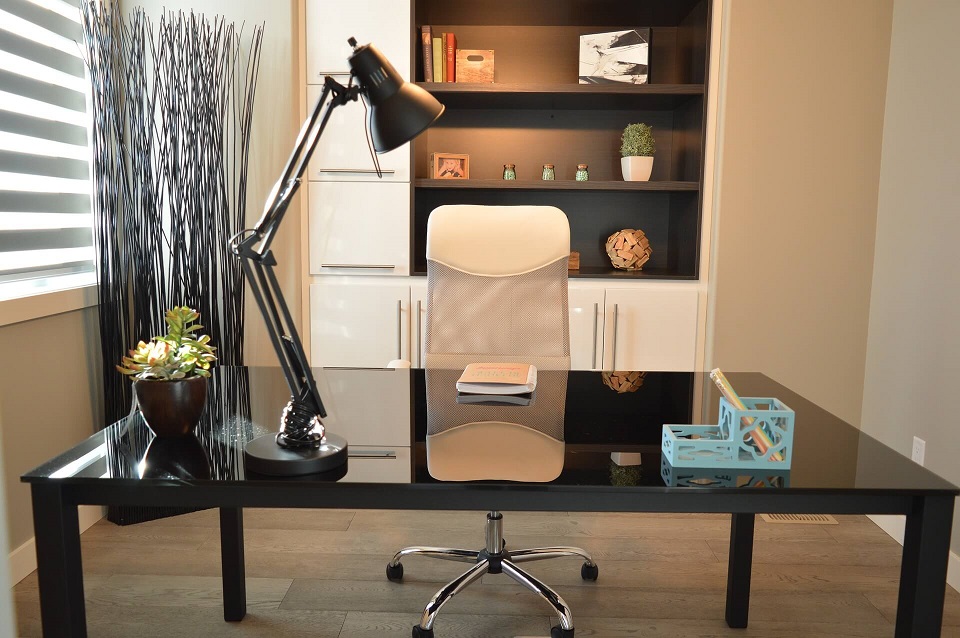
The most effective home office shelving balances quick access, visual calm, and video‑call readiness. In Naperville homes, we achieve this by dividing your workspace into three zones reach (daily items within arm’s length), turn (reference materials one chair swivel away), and view (your camera backdrop) then pairing each zone with the right shelving type: floating shelves for reach, wall‑mounted or modular units for turn, and built‑ins or curated open shelves for view.
Your home office is now where clients meet you, where deadlines are crushed, and where your professional reputation is literally on camera every day. Yet one thing often turns a productive space into a stressful one: poorly chosen or badly placed shelving.
I’ve designed over 200 home office setups right here in Naperville, IL. I’ve walked into spare bedrooms that looked lovely on Pinterest but forced remote workers to twist awkwardly thirty times a day just to grab a notebook. I’ve seen beautifully installed floating shelves cast harsh shadows across faces during Zoom calls. And I’ve repaired more plaster walls than I can count after shelves came crashing down because someone used the wrong anchors.
This guide shares the best home office shelving ideas for remote workers not the generic listicle advice, but the real‑world framework that actually works, born from those 200+ local projects. I’ll show you how to choose, place, and organize shelving so your office stays clutter‑free, looks professional on video, and feels effortless day after day.
What Makes a Home Office Shelving Setup Actually Work for Remote Workers?
Most office shelving ideas stop at style and storage capacity. But for anyone working remotely, a shelf must do three jobs: hold what you need, keep you moving efficiently, and project confidence through your webcam. I developed the Zone & Clearance Framework after too many Naperville homeowners told me their shelves looked great but didn’t make work any easier.
The Zone & Clearance Framework
Split your office into three zones based on your seated position at the desk.
- The Reach Zone
This is everything you can touch without leaning out of your chair pens, headphones, charger, a water bottle. The shelving here must be accessible, shallow enough not to crowd you, and placed so that it doesn’t block light or cast shadows onto your face. I use floating shelves or slim wall‑mounted units directly beside or slightly above the desk. If a shelf extends out more than 10 inches in front of your face, you’re risking dark shadows on video. - The Turn Zone
One full swivel of your chair should bring you to your secondary supports reference books, a small printer, office supplies you use twice a day. Here, modular shelving or a sturdy wall‑mounted cabinet works beautifully. By keeping this zone a single rotation away, you avoid constant standing up, which disrupts deep‑focus work. - The View Zone
This is what appears behind you on camera. Cluttered, mismatched shelves signal disorganization. Built‑in shelving with closed cabinets on the bottom and a few intentionally styled open shelves on top creates a clean, authoritative backdrop. In Naperville homes with large bay windows, I often place shelving perpendicular to the glass so you don’t end up with a washed‑out silhouette.
Before you buy a single shelf, sit in your usual work spot, open your camera, and check what falls in each zone. That ten‑second check will save you from shelves that work against you.
Floating Shelves: Minimalist and Space‑Saving When Done Right
Floating shelves appear in nearly every list of home office shelving ideas and for good reason. They don’t eat up floor space, they look modern, and they can be installed in an afternoon. But I’ve seen two specific failures play out again and again.
How to Avoid the Most Common Floating Shelf Mistake in Naperville Homes
Many Naperville houses built before 1980 still have plaster and lath walls. Regular drywall anchors won’t hold under real weight. I learned this the hard way early in my career when a shelf full of design books pulled straight out of a century‑old wall. Now, I use toggle bolts that anchor behind the lath, and I always try to hit at least one stud. If you’re not sure what’s behind your wall, test with a deep‑scan stud finder — or bring in someone who knows Naperville’s older construction.
Keep Floating Shelves Visually Quiet
Resist the urge to fill every inch. I recommend limiting each shelf to three to five items, leaving roughly 40% empty space. A small snake plant, a framed photo, and a lean stack of books is enough for a 36‑inch shelf. If it’s in your camera’s view zone, even simpler is better.
Wall‑Mounted Shelving for Small Home Offices
In compact Naperville condos or spare‑room setups, floor space is precious. Wall‑mounted shelving lets you build up, not out, keeping your walking paths clear.
Open vs. Closed Wall Shelving – Comparison Table
| Feature | Open Shelving | Closed Shelving (Doors) |
|---|---|---|
| Best for | Daily tools and decor | Supplies you don’t want visible |
| Visual weight | Lighter, more spacious | Heavier, but hides mess |
| Dust | Needs weekly wipe‑down | Lower maintenance |
| On‑camera effect | Can look busy if overfilled | Provides a clean backdrop |
I almost always mix the two: a closed base cabinet at knee level for bulky items, and open shelves from chest height upward for pretty, functional displays.
Pro Tip – The Plaster Wall Lesson
The mistake that taught me to never cut corners on anchors: I once mounted a 48‑inch shelf in a Naperville bungalow with standard sleeves. Within days the shelf sagged forward, cracked the plaster around it, and pulled out entirely. Repairing that one section cost more than the shelf itself. Now, every wall‑mounted project I take on gets snap‑toggle bolts and a 50% overhead weight test. If you’re going DIY, treat that step as non‑negotiable.
Built‑In and Modular Shelving: Tailored Solutions for Permanent Workspaces
When your home office is here to stay, a more integrated approach pays off every day.
Built‑Ins That Frame Your Desk
Floor‑to‑ceiling built‑ins around your workstation serve two purposes: they give you enormous storage and they build a professional‑looking video background. I advise keeping the shelves directly behind your monitor symmetrical, using closed cabinets for equipment and open upper shelves for a curated collection of books. Avoid bright‑colored objects or blinking gadgets directly behind your head they pull focus from you.
Modular Shelving and Naperville’s Quirky Alcoves
Split‑level and mid‑century Naperville homes frequently have odd alcoves, bump‑outs, or baseboard radiators that make standard shelving units impossible. Modular systems with adjustable leg heights and component widths can fit over a radiator or inside a shallow nook without blocking airflow. One homeowner on the north side of town turned a tight alcove next to the fireplace into a hyper‑functional micro‑office by wrapping modular shelves around a wall‑mounted desk. No renovation required.
Hidden and Multi‑Functional Shelving for Dual‑Purpose Rooms
Many remote workers don’t have a dedicated room. Your office may also be a guest bedroom or a corner of the living room. Shelving that conceals its purpose keeps the space from feeling like a cubicle.
Concealed Shelving That Transforms
Sliding panels that cover open shelves are a game‑changer for guest rooms. During the workweek, they slide aside, when visitors come, one move makes the office disappear. Another approach that works well in Naperville sunrooms is a window‑seat base with lift‑top storage and open cubbies underneath equal parts reading nook and supply hub.
Desk‑Shelf Combos for Ultra‑Compact Spaces
If you’re truly tight on square footage, consider a combo unit that integrates a fold‑down desk into a shelving cabinet. When the desk closes, the cabinet reads as a tall bookcase. I’ve watched this solution save marriages in Naperville townhomes where the “office” was really a hallway nook that needed to stay looking domestic at the end of the day.
How to Keep Home Office Shelves Organized (For the Long Haul)
Great shelving becomes useless clutter if it isn’t maintained. The remote workers I see stay happy for years do two things differently.
The One‑Touch Rule
If you need to move two items to reach a stapler, your shelf setup is wrong. Apply the rule: every item in your Reach Zone must be something you can grab and use in one motion. Labeled baskets for small supplies, a dedicated charging shelf, and a strict “return it immediately after use” habit keep the system intact.
Adding Life Without Choking Function
A pothos or sansevieria trailing from an upper shelf adds life without demanding attention. Slim LED light bars mounted beneath a shelf can warm up the space and reduce eye strain during Chicago’s gray winter afternoons. Just run the power cord discreetly along the shelf bracket so it never crosses your camera background.
FAQ: Real Questions from Naperville Remote Workers
What’s the ideal shelf depth for a small home office?
Ten to twelve inches deep handles most books, binders, and supply bins without sticking out into your movement path. Deeper shelves invite piles of clutter, especially in reach and turn zones.
Can I mount shelves above a radiator?
Only if you leave at least 12 inches of clearance for heat flow and use heat‑resistant materials. Never block the convection path. A better option is a modular floor unit that bridges over the radiator safely.
How do I make built‑ins look less cookie‑cutter?
Add a painted or wallpapered backing and vary shelf heights. Even one or two taller bays for art books break the monotony and make the installation feel custom.
Are floating shelves strong enough for heavy office gear?
When properly anchored into studs or using toggles in plaster, heavy‑duty floating shelves can hold 50–100 pounds per linear foot. Still, I reserve them for lighter daily items and use wall‑mounted or freestanding units for printers and stacks of paper.
What shelves create the best video backdrop?
Closed cabinets at the bottom, a few open upper shelves with neutral‑toned books, and one calm piece of art. Avoid busy patterns, mirrors that reflect light, and anything that moves or blinks.
A Home Office That Works as Hard as You Do
The right shelving turns a stressful, cluttered workspace into a place where you actually enjoy sitting down to work. By thinking in terms of zones reach, turn, view and matching each zone to the appropriate shelving type, you build a home office that supports deep focus, keeps your video presence polished, and stays organized without constant effort.
If you’re in Naperville and ready to stop fighting your space, Shelving Tomorrow can help you design and install a shelving system that fits your unique home and work style. Whether it’s custom built‑ins for a dedicated study or a modular hack for an awkward alcove, the right setup changes everything.



 Shelving Tomorrow
 Copyright © 2018 American Filing Solutions. All Rights Reserved.